What to Look for When Buying High-Quality Thermochromic Yarn
Release time: 2026-05-13
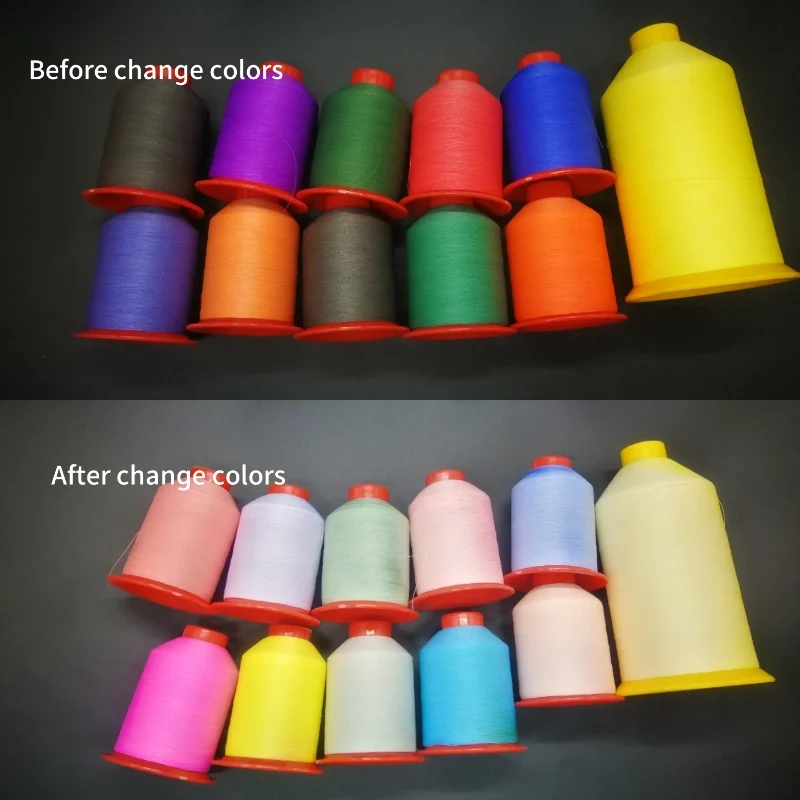
The textile industry is undergoing a radical transformation, moving beyond aesthetics into the realm of functional and interactive materials. At the forefront of this revolution is thermochromic yarn, a specialized material that changes color in response to temperature fluctuations. Whether you are a fashion designer aiming for a “wow” factor or a manufacturer of safety equipment, selecting the right grade of material is crucial for the success of your final product.
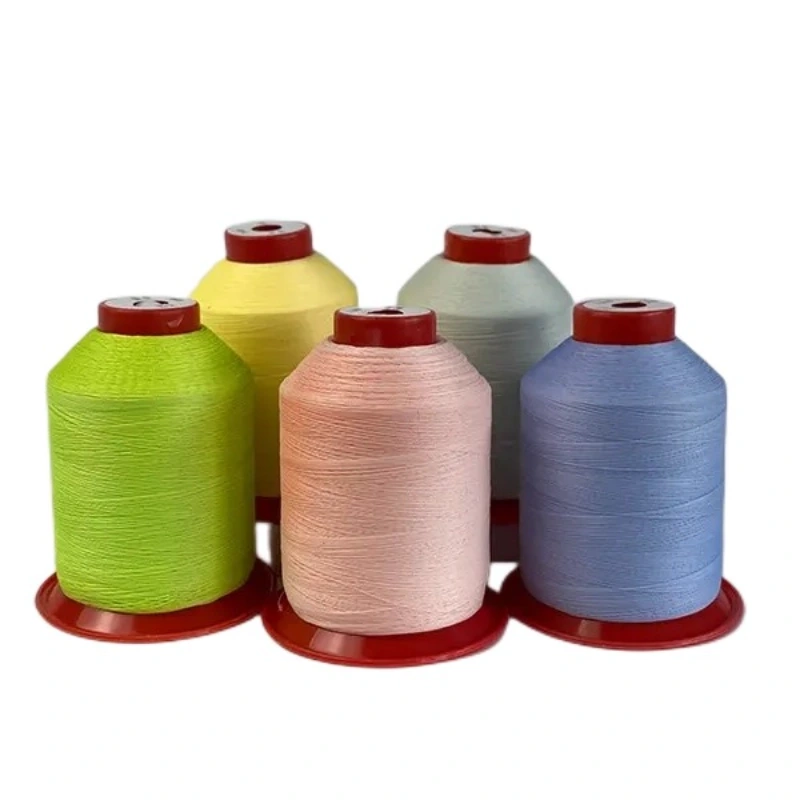
Understanding the technical nuances ensures you don’t just buy a novelty item, but a high-performance industrial component. This guide explores the critical factors you must evaluate to source the best possible materials for your project.
1. Understanding the Core Technology
Before diving into purchasing decisions, it is essential to understand how this technology works. High-quality variants utilize microencapsulated pigments integrated into the fiber structure. These microcapsules contain liquid crystals or leuco dyes that change their molecular structure—and thus their light-reflecting properties—when a specific heat threshold is met.
There are two primary types of transitions:
- Reversible: The color returns to its original state when the temperature drops.
- Irreversible: The color change is permanent, often used for industrial safety indicators.
For most apparel and consumer goods, reversible options are the industry standard.
2. Key Performance Indicators (KPIs) for Buyers
When evaluating a yarn supplier, you should look beyond the price point. Here are the primary technical specifications that determine quality.
A. Temperature Sensitivity and Activation Points
The “activation temperature” is the specific degree at which the transition begins. Common standards include 15°C, 22°C, 31°C, and 45°C.
- 31°C (Body Heat): Ideal for apparel, as the color changes when the fabric touches human skin.
- Outside Ambient: Used for outerwear or umbrellas that react to the weather.
B. Color Vibrancy and Transition Clarity
Lower-quality products often result in “muddy” transitions where the colors look dull or fail to clear completely. High-quality temperature sensitive yarn should offer a sharp, distinct transition from a saturated hue to either a secondary color or a transparent state.
C. Durability and Wash Fastness
One of the biggest challenges with functional fibers is their lifespan. You must ensure the material has high wash fastness. This means the microcapsules are securely bonded to the polymer chain and won’t wash away or lose their reactive properties after a few cycles in a domestic washing machine.
3. Comparison of Material Bases
The base carrier of the thermochromic effect significantly impacts the hand-feel and strength of the textile.
| Base Material | Strength | Comfort | Best Use Case |
| Polyester | High | Medium | Sportswear, Outerwear, Industrial use |
| Nylon | Very High | High | Swimwear, Seamless knits, Intimate apparel |
Selecting the right base ensures that the color changing thread performs mechanically as well as it does visually.
4. Environmental Resistance: The UV Factor
A common “red flag” in cheap thermal-reactive materials is poor lightfastness. Smart textile materials are often sensitive to Ultraviolet (UV) radiation. Over-exposure to sunlight can “sunburn” the pigments, causing them to stay permanently in one color state.
When sourcing from Higreater, inquire about UV-stabilized options. High-quality products include UV inhibitors that protect the leuco dyes, extending the interactive life of the garment from a few weeks to several years.
5. Safety and Certifications
Since these yarns are often used in clothing that comes into direct contact with the skin, safety is non-negotiable. Ensure your manufacturer complies with:
- OEKO-TEX Standard 100: Ensures the absence of harmful chemicals.
- REACH Compliance: Important for the European market.
Using certified heat sensitive yarn protects the end consumer and reduces the liability for your brand.
6. Manufacturing Integration: Knitting vs. Weaving
How do you plan to use the yarn? The “denier” or “count” of the yarn must match your machinery.
- Knitting: Requires a certain level of elasticity and smoothness to prevent snagging.
- Embroidery: Requires high tensile strength to withstand high-speed needle movements.
A premium functional fibers provider will offer various thicknesses (e.g., 75D, 150D, 300D) to suit different production methods.
7. Quality Control Checklist for Bulk Orders
If you are placing a wholesale order, use the following table to verify the quality of your samples.
| Feature | What to Check | Pass Criteria |
|---|---|---|
| Response Time | Apply heat (hand or hair dryer) | Transition should occur in <3 seconds |
| Recovery | Remove heat source | Should return to original color in <10 seconds |
| Consistency | Check different sections of the cone | Color should be uniform without spotting |
| Friction Test | Rub the yarn vigorously | Pigment should not flake or rub off on fingers |
8. Conclusion
Buying high-quality thermochromic yarn requires a balance between chemical performance and textile physics. By focusing on activation temperatures, UV resistance, and material base compatibility, you can create products that truly stand out in a crowded market. Whether you are developing a “mood-reactive” fashion line or a safety-first industrial garment, the quality of your raw materials is the foundation of your success.
At Higreater, the focus is on merging chemical innovation with textile reliability. If you are interested in thermochromic yarn, please contact us.
Frequently Asked Questions (FAQ)
1. How many washes can thermochromic yarn withstand before it stops changing color?
Generally, high-quality yarns from reputable suppliers like Higreater are designed to last between 30 to 50 standard washes. To maximize longevity, it is recommended to wash garments inside out in cold water and avoid high-heat tumble drying, as extreme temperatures can eventually fatigue the microencapsulated pigments.
2. Is thermochromic yarn safe for children’s clothing?
Yes, provided the yarn is OEKO-TEX certified. High-grade yarns encapsulate the reactive chemicals within a protective shell, ensuring they never come into direct contact with the skin. Always verify that the yarn supplier provides safety data sheets (SDS) to confirm the materials are non-toxic and skin-friendly.
3. Can I customize the specific temperature at which the color changes?
Absolutely. While standard temperatures like 31°C are popular, industrial manufacturers can often customize the activation point. For example, if you are creating a safety glove for a factory, you might set the transition to 50°C to warn the wearer of a hot surface. This level of customization is a hallmark of professional-grade smart textile materials.