Fluorescent Yarn vs Regular Yarn: What Is the Difference?
Release time: 2026-07-10
When buyers search for textile materials, one of the most common questions is: what is the difference between fluorescent yarn and regular yarn? Although both materials are used in weaving, knitting, and fabric manufacturing, they serve different purposes, perform differently in product design, and create different market value for textile buyers.

For manufacturers, wholesalers, and sourcing teams, understanding the difference between fluorescent yarn and regular yarn is important when choosing the right material for safety textiles, decorative fabrics, fashion products, industrial applications, and bulk textile production.
What Is Fluorescent Yarn?
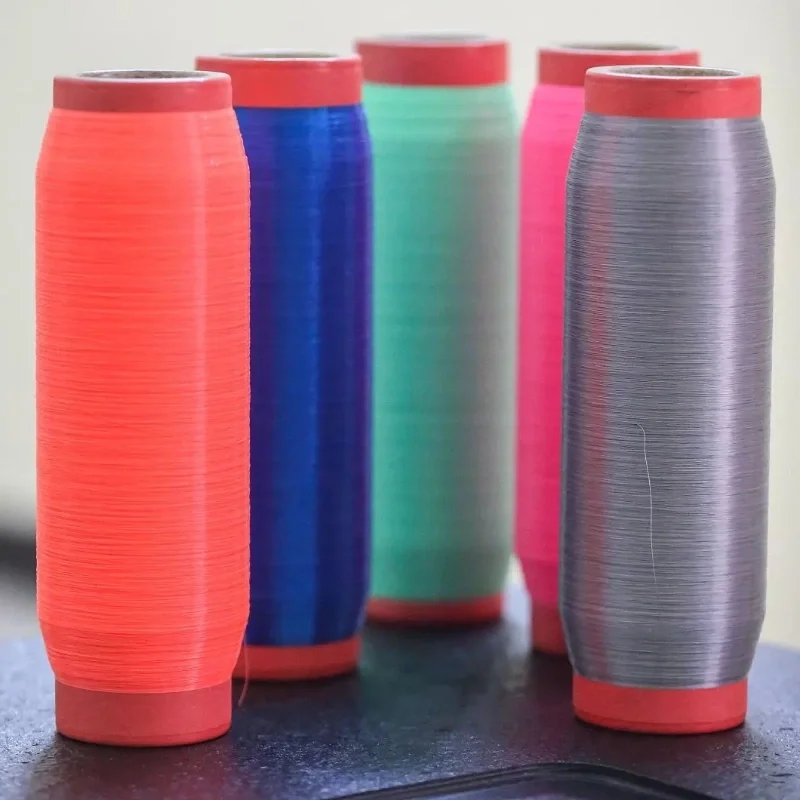
Fluorescent yarn is a special type of yarn designed to appear brighter, more vivid, and more eye-catching than standard yarn. It is usually produced with fluorescent dyes or color-enhancing materials that increase visibility under normal light conditions.
Because of its bright appearance, fluorescent yarn is widely used in:
- High-visibility clothing.
- Safety textiles.
- Fashion and sportswear.
- Decorative fabrics.
- Promotional textile products.
- Industrial textile applications.
For buyers looking for yarn that stands out visually, fluorescent yarn offers a strong advantage in both appearance and functional value.
What Is Regular Yarn?
Regular yarn refers to standard yarn made from common textile fibers such as cotton, polyester, acrylic, wool, or blended materials. It is one of the most widely used materials in textile production and is available in many colors, thicknesses, and textures.
Regular yarn is commonly used in:
- Everyday clothing.
- Knitting and crochet.
- Home textiles.
- Industrial textiles.
- General weaving and fabric manufacturing.
Compared with fluorescent yarn, regular yarn is more neutral in appearance and is usually selected for practical, general-purpose textile applications.
Fluorescent Yarn vs Regular Yarn: Key Differences
Although fluorescent yarn and regular yarn may look similar in structure, their differences become clear when you compare appearance, purpose, application, and market demand.
1. Brightness and Visual Impact
Fluorescent yarn is brighter and more visually striking than regular yarn. It is designed to attract attention and improve visibility.
Regular yarn has a more natural, standard, and versatile appearance, making it suitable for conventional textile products.
2. Functional Purpose
Fluorescent yarn is often chosen for products that need to stand out, such as safety apparel, warning textiles, and decorative fabrics.
Regular yarn is usually selected for general textile use where special visual effects are not required.
3. Application Scenarios
Fluorescent yarn is commonly used in:
- High-visibility garments.
- Outdoor textile products.
- Fashion items with bold color effects.
- Safety-related textile goods.
- Decorative and promotional products.
Regular yarn is commonly used in:
- Clothing.
- Blankets.
- Curtains.
- Knitted products.
- General fabric manufacturing.
4. Market Positioning
Fluorescent yarn is often used in value-added textile products that require stronger visual appeal and product differentiation.
Regular yarn is the standard choice for large-scale textile production and general market applications.
5. Design Value
Fluorescent yarn adds a modern, energetic, and eye-catching effect to textile products.
Regular yarn creates a classic, neutral, and flexible design style that fits a wider range of products.
Which Yarn Should You Choose?
The right choice depends on your product goals, target market, and end-use application.
Choose fluorescent yarn if you need:
- High visibility.
- Strong visual impact.
- Safety-related textile performance.
- Bold fashion or decorative effects.
- Product differentiation in the market.
Choose regular yarn if you need:
- General-purpose textile material.
- Cost-efficient production.
- Everyday fabric applications.
- Comfortable and versatile textile use.
- A more neutral and classic appearance.
For many textile buyers, both materials have a place in product development. The best option depends on whether your priority is visibility or versatility.
Why Fluorescent Yarn Matters in Modern Textile Manufacturing
Fluorescent yarn is becoming more important in textile manufacturing because buyers increasingly want products that are not only functional but also visually distinctive. In markets such as safety wear, sportswear, fashion, and promotional textiles, brightness and visibility can add real commercial value.
This makes fluorescent yarn especially attractive for manufacturers who want to create products with higher perceived value and stronger shelf appeal.
Why Regular Yarn Still Remains Essential
Even though fluorescent yarn is growing in popularity, regular yarn remains a core material in the textile industry. It is widely used, easy to source, and suitable for a broad range of fabric types and end products.
For large-scale production, regular yarn continues to be the most practical option when buyers prioritize consistency, cost control, and everyday usability.
Why Buyers Choose Higreater
At Higreater, we focus exclusively on special functional yarns designed for specific performance needs. We understand that textile buyers are looking for more than standard materials — they need yarn solutions that deliver visibility, functionality, and added value in end products.
Whether you need fluorescent yarn for high-visibility applications or other special functional yarns for advanced textile development, Higreater provides reliable materials tailored to specialized market demands. Our focus is on consistent quality, practical performance, and value for buyers seeking functional yarn solutions.
Conclusion
Fluorescent yarn and regular yarn are both important textile materials, but they serve different purposes. Fluorescent yarn is best for bright, visible, and value-added textile products, while regular yarn is ideal for general-purpose, versatile, and cost-effective manufacturing.
By understanding the difference between fluorescent yarn and regular yarn, buyers can make better sourcing decisions and choose the most suitable material for their textile projects.