Beyond Glow: When Reflective Yarn Makes More Sense
Release time: 2026-03-28
Table of Contents
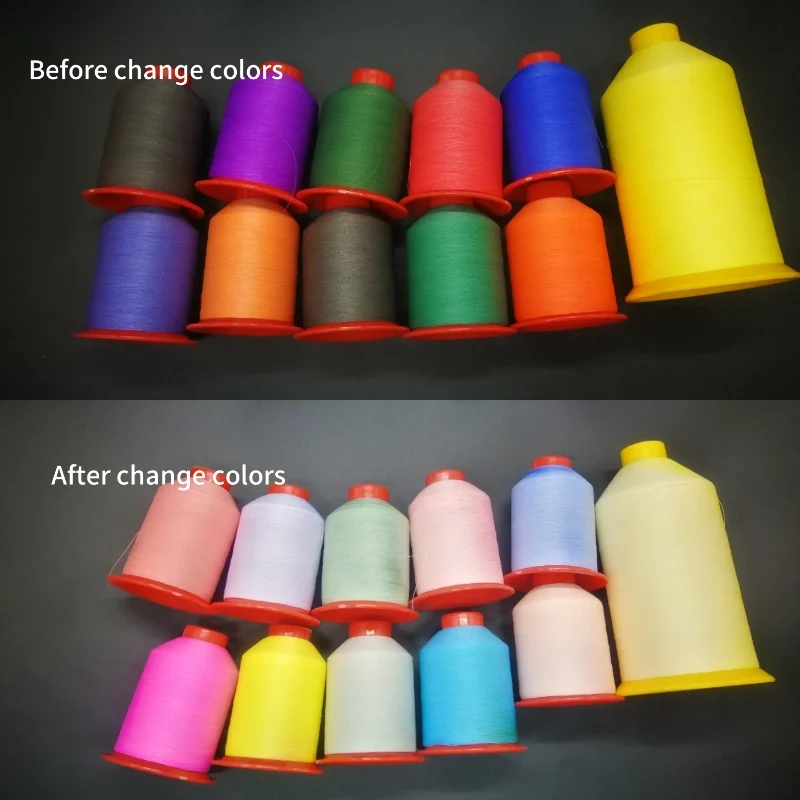
If you’ve worked with Glow in the Dark Yarn for a while, you’ll eventually run into its limits. It needs charging, the brightness fades, and in some environments, the effect just isn’t strong enough. That’s usually the point where people start looking at alternatives like safety reflective yarn and reflective filament yarn—and in many cases, they’re actually the better choice.
Glow vs. Reflective: The Real Difference
The key difference is simple but important:
- Glow in the dark yarn stores light and releases it slowly
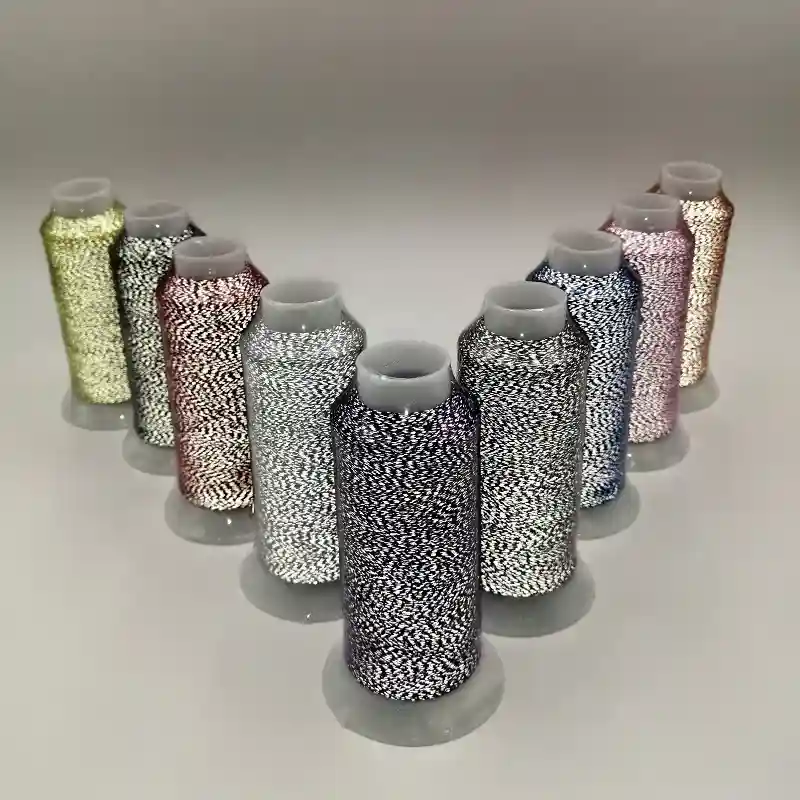
- reflective yarn for safety textiles bounces light back to its source
That means reflective materials don’t work in total darkness, but the moment there’s a light source (car headlights, flashlights, or street lamps), they become highly visible.
In real-world use, especially outdoors, that distinction matters more than people expect.
Where Reflective Yarn Performs Better
From a practical standpoint, high-visibility reflective yarn for outdoor gear often outperforms glow yarn in safety scenarios.
1. Road and Outdoor Safety
For runners, cyclists, or construction workers, safety reflective yarn for high-visibility clothing is far more reliable. Car headlights instantly trigger a bright reflection, which is exactly what you want in traffic environments.
2. Industrial and Workwear Applications
In uniforms or protective gear, industrial reflective filament yarn for weaving is commonly used in trims, seams, and logos. It integrates well into fabrics without changing the overall structure too much.
3. Bags, Footwear, and Accessories
You’ll often see reflective filament yarn for knitting and embroidery in backpacks or shoes. It adds visibility without affecting comfort or flexibility.
When Glow Yarn Still Has an Edge
That said, long-lasting glow in the dark yarn for decorative use still has its place.
- In low-light environments without active light sources
- For creative or aesthetic designs (patterns that appear at night)
- In indoor applications where reflective yarn wouldn’t be triggered
So it’s not really about replacing one with the other—it’s about choosing based on the situation.
A Practical Approach: Combining Both
In many projects, the best results come from using both materials together.
For example:
- Glow yarn for continuous visibility in darkness
- reflective yarn for instant brightness when light hits
This combination is becoming more common in high-performance safety textiles, where redundancy improves visibility under different conditions.
Material and Processing Considerations
If you’re switching to durable reflective filament yarn for textile production, there are a few things to keep in mind:
- Reflective yarn often uses micro glass beads or coated films, which can slightly affect flexibility
- It tends to perform better in structured applications (woven fabrics, reinforced stitching)
- Consistency in coating quality directly impacts reflectivity
Higreater, for instance, offers both glow and reflective options, which makes it easier to test combinations without changing suppliers—a small but practical advantage in production.
Choosing What Fits Your Use Case
If your priority is:
- Visibility in moving traffic → go with safety-reflective yarn
- Ambient glow without external light → use glow in the dark yarn
- Maximum adaptability → combine both
There’s no one-size-fits-all answer, and most experienced users end up keeping both materials in their toolkit.
FAQ
Q1: Is reflective yarn brighter than glow in the dark yarn?
In the presence of light, yes. High visibility reflective yarn for safety applications can appear much brighter because it directly reflects strong light sources like headlights.
Q2: Can reflective yarn work without any light at all?
No. Unlike glow in the dark yarn for low-light environments, reflective yarn needs an external light source to be visible.
Q3: Is reflective filament yarn durable for long-term use?
Yes, industrial-grade reflective filament yarn is designed to withstand wear, but performance depends on coating quality and proper handling during production.
Final Thoughts
After working with all three—Glow in the Dark Yarn, Safety Reflective Yarn, and Reflective Filament Yarn—the biggest takeaway is this: they’re not direct substitutes, even though they often get treated that way.
Each solves a different problem. Glow yarn gives you passive visibility. Reflective yarn gives you high-impact visibility when it matters most. The right choice depends less on the material itself and more on where and how it’s being used.
If you’re developing products or testing new materials, it’s worth trying both side by side. The differences become obvious pretty quickly once you see them in real conditions.