What Importers Should Consider When Buying Luminous Yarn
Release time: 2026-01-12
In recent years, luminous yarn, also known as glow in the dark yarn, has become increasingly popular in functional textiles, fashion, home decoration, and safety-related applications. For importers, wholesalers, and distributors, choosing the right luminous yarn supplier is critical—not only for product quality, but also for long-term business stability and market competitiveness.
This article outlines the key factors importers should consider when buying luminous yarn, helping buyers reduce sourcing risks and build reliable partnerships.
Table of Contents
1. Luminous Performance and Glow Duration
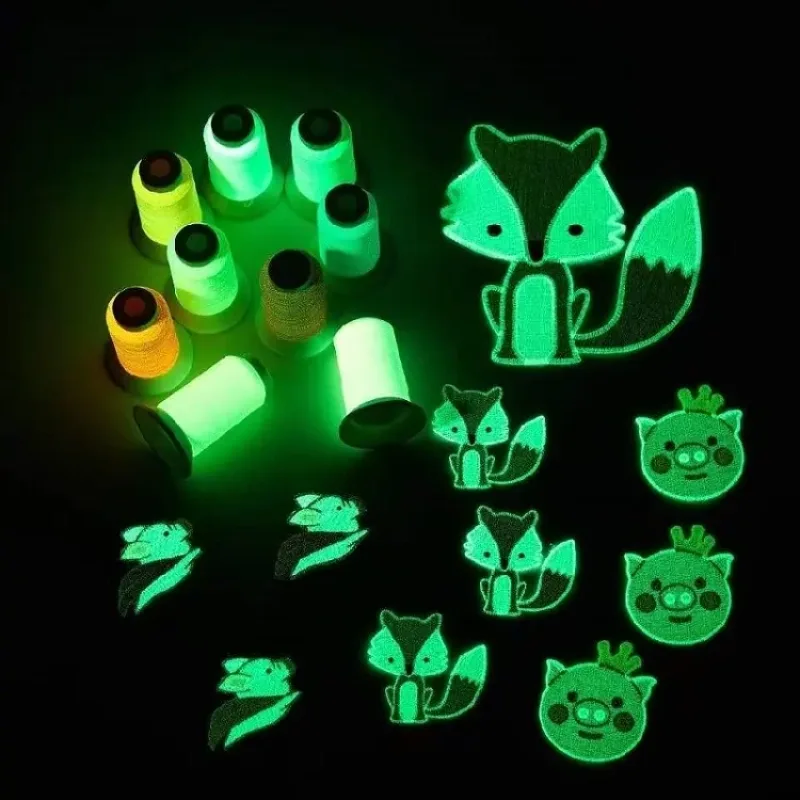
The most important feature of luminous yarn is its ability to absorb light energy and emit visible light in dark environments. Importers should carefully evaluate:
- Initial brightness after charging
- Glow duration (how long it remains visible in the dark)
- Stability of luminous performance after repeated use and washing
High-quality glow in the dark yarn should provide consistent brightness and long-lasting glow, even after multiple wash cycles, making it suitable for commercial textile production.
2. Yarn Material and Structure
Luminous yarn is available in different base materials, such as polyester, nylon, cotton blends, and core-spun yarns. The choice of material affects not only glow performance, but also durability and application suitability.
Importers should confirm:
- Yarn type and composition
- Yarn count and filament structure
- Compatibility with knitting, weaving, or embroidery processes
A professional luminous yarn supplier should be able to recommend suitable yarn structures based on your end use.
3. Application Compatibility
Different applications require different luminous yarn specifications. Importers should clearly define their target markets before placing orders.
Common applications include:
- Fashion and sportswear
- Safety clothing and accessories
- Home textiles and decorative fabrics
- Knitting, crochet, and embroidery products
Choosing the right glow in the dark yarn ensures better performance, easier processing, and higher customer satisfaction.
4. Color Options and Customization
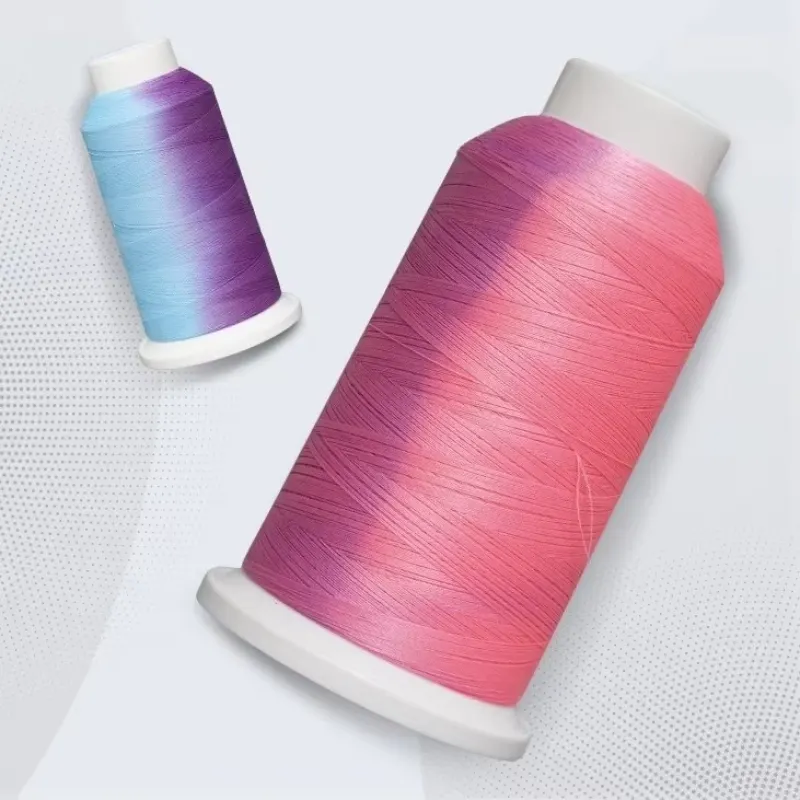
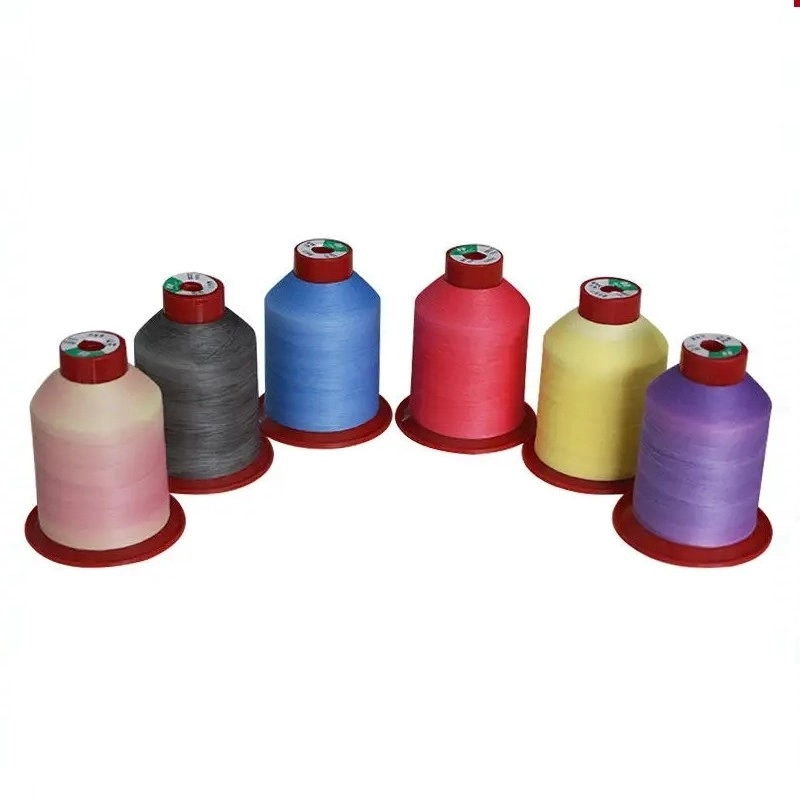
While green is the most common luminous color, modern luminous yarns are available in multiple colors and brightness levels.
When sourcing luminous yarn, importers should consider:
- Available luminous colors
- Daytime color vs nighttime glow color
- OEM and custom color support
- Private label and packaging options
Customization capability is especially important for importers serving branded customers or niche markets.
5. Safety and Environmental Compliance
Safety is a key concern in international markets. Importers should ensure that the luminous yarn they source complies with relevant regulations.
Key points to confirm include:
- Non-toxic and non-radioactive materials
- Compliance with textile safety standards
- Suitability for apparel and children’s products (if applicable)
A reliable supplier should provide clear information about material safety and compliance.
6. Quality Consistency and Production Stability
For importers and wholesalers, consistent quality across batches is essential. Variations in glow performance or yarn strength can lead to customer complaints and returns.
A trustworthy luminous yarn manufacturer should offer:
- Stable production processes
- Batch quality inspection
- Long-term supply capability for repeat orders
Consistency is often more important than low initial pricing in B2B sourcing.
7. MOQ, Pricing, and Lead Time
Importers should evaluate not only unit price, but also overall supply conditions, including:
- Minimum order quantity (MOQ)
- Bulk order pricing
- Production lead time
- Shipping and logistics coordination
Flexible MOQ and transparent lead times are particularly valuable for growing distributors and new market entrants.
8. Technical Support and Communication
Luminous yarn is a functional textile material, and technical support can make a significant difference during sourcing and production.
A professional glow in the dark yarn supplier should provide:
- Clear technical specifications
- Application recommendations
- Fast and professional communication
- Support for sampling and testing
Efficient communication helps reduce misunderstandings and speeds up the purchasing process.
Conclusion
For importers, buying luminous yarn is not just about finding a glowing effect—it is about securing a reliable, safe, and consistent supply that meets market demands. By considering luminous performance, material quality, application suitability, safety compliance, and supplier reliability, importers can build a strong foundation for long-term success.
Partnering with an experienced luminous yarn supplier who understands global markets and functional textile requirements can significantly reduce sourcing risks and improve business outcomes.