Photochromic Yarn vs Thermochromic Yarn: What’s the Difference?
Release time: 2026-02-25
In the rapidly growing smart textile industry, color-changing yarns are becoming increasingly popular in fashion, sportswear, and functional fabrics. Among the most innovative options are photochromic yarn and thermochromic yarn.
Although both materials change color, they respond to different environmental triggers and serve different applications.
In this article, we explain the key differences between photochromic yarn and thermochromic yarn to help textile manufacturers and designers choose the right material for their projects.
What Is Photochromic Yarn?
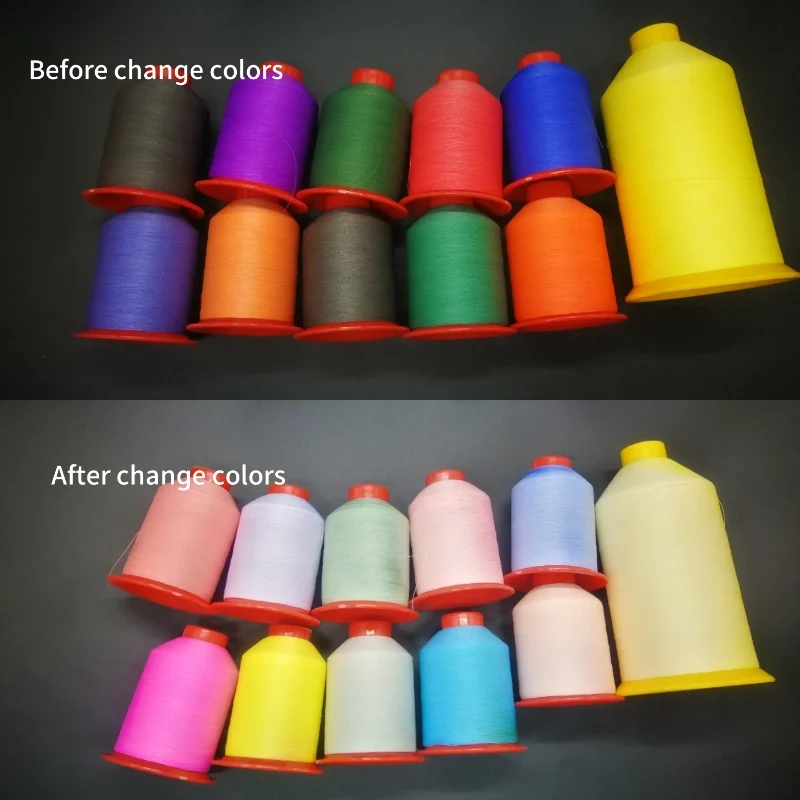
Photochromic yarn, also known as UV-reactive yarn or light-sensitive yarn, changes color when exposed to ultraviolet (UV) light, especially sunlight.
.webp)
How It Works
Photochromic pigments embedded in the fiber react to UV radiation. When exposed to sunlight, the molecular structure changes and produces visible color. When UV light disappears, the yarn gradually returns to its original color.
Key Features
- Activated by UV light
- Reversible color change
- Fast response under sunlight
- Suitable for outdoor applications
- Available in multiple base colors
Photochromic yarn is widely used in outdoor clothing, swimwear, sportswear, children’s apparel, and fashion accessories.
What Is Thermochromic Yarn?
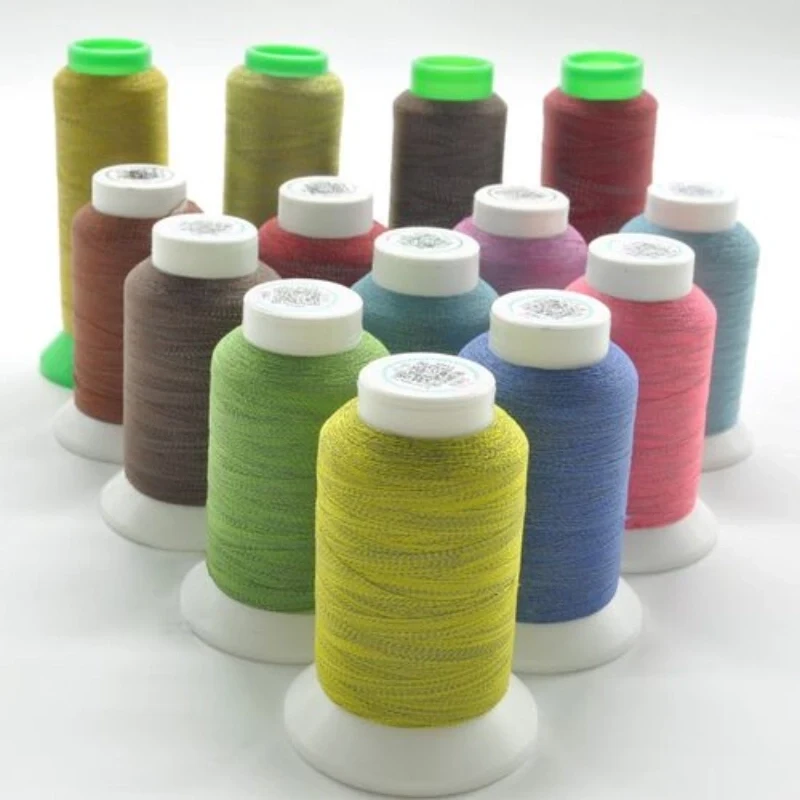
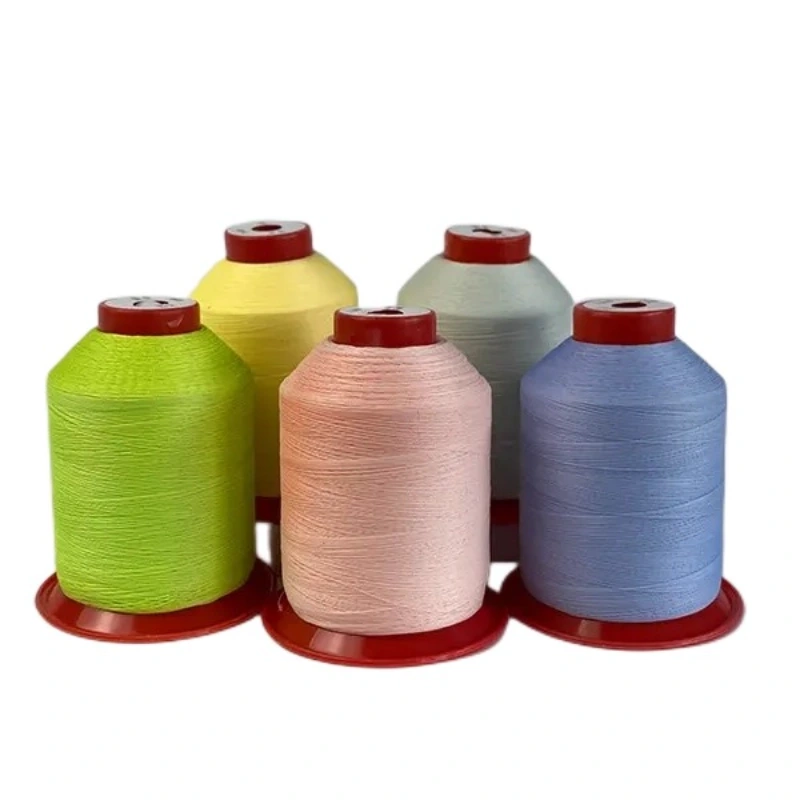
Thermochromic yarn changes color in response to temperature variations rather than light exposure.
How It Works
Thermochromic materials contain temperature-sensitive pigments that react when a certain temperature threshold is reached. The color may change when heated or cooled.
Key Features
- Activated by heat or cold
- Color change at specific temperature ranges
- Can be reversible or irreversible
- Common in novelty textiles and functional fabrics
Thermochromic yarn is often used in mood garments, baby clothing, thermal indicators, and creative fashion design.
Photochromic Yarn vs Thermochromic Yarn: Key Differences
| Feature | Photochromic Yarn | Thermochromic Yarn |
|---|---|---|
| Trigger | UV Light | Temperature |
| Common Use | Outdoor & UV exposure garments | Temperature-sensitive apparel |
| Reaction Speed | Fast under sunlight | Depends on temperature change |
| Main Application | Sportswear, swimwear, kidswear | Creative fashion, thermal wear |
| Environmental Activation | Sunlight required | Heat or cold required |
The main difference lies in the activation mechanism — light versus temperature.
Which One Is Better for Your Textile Project?
The answer depends entirely on your application.
Choose Photochromic Yarn If:
- Your product is designed for outdoor use
- You want garments that react to sunlight
- UV awareness or fun outdoor effects are desired
- You produce sportswear or swimwear
Choose Thermochromic Yarn If:
- You need temperature indication functionality
- You design interactive or novelty garments
- You want heat-sensitive effects
- You are developing winter wear or baby products
For outdoor apparel brands, photochromic yarn is often the more practical and visually dynamic option.
Durability and Performance Considerations
When selecting either yarn type, consider:
- Wash fastness
- Light stability
- Color retention
- Fiber compatibility
- Production processing requirements
High-quality photochromic and thermochromic yarn should maintain stable performance after repeated washing and long-term use.
Working with a reliable supplier ensures consistent pigment distribution and color-changing performance.
Market Trends in Smart Textiles
With the rise of functional fashion and smart textiles, demand for both photochromic and thermochromic yarn is increasing globally.
Photochromic yarn is particularly growing in:
- UV-protective clothing
- Activewear brands
- Sustainable outdoor fashion
- Innovative children’s clothing
As consumers seek interactive and dynamic garments, color-changing yarn technology continues to expand in commercial applications.
Conclusion
While both photochromic yarn and thermochromic yarn belong to the color-changing textile category, they differ significantly in activation mechanism and application.
- Photochromic yarn reacts to sunlight (UV exposure).
- Thermochromic yarn reacts to temperature changes.
Understanding these differences helps textile manufacturers, designers, and brands choose the most suitable smart yarn for their collections.
If you are looking for high-quality photochromic yarn or customized smart textile solutions, please contact us!