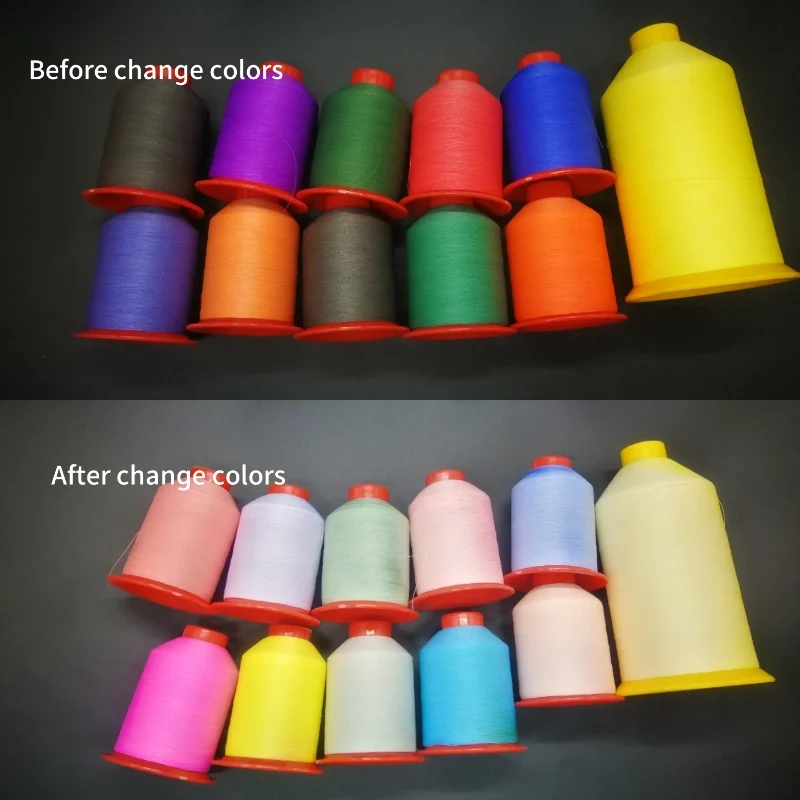
How much do you know about thermochromic yarn?
Release time: 2025-09-11
Table of Contents
With the advancement of textile technology, functional yarns are gradually becoming part of everyday life. Among them, thermochromic yarn, due to its unique temperature-sensing properties, has garnered widespread attention in the fashion, smart home, and gift industries. So, what exactly is thermochromic yarn? What are its advantages and limitations?
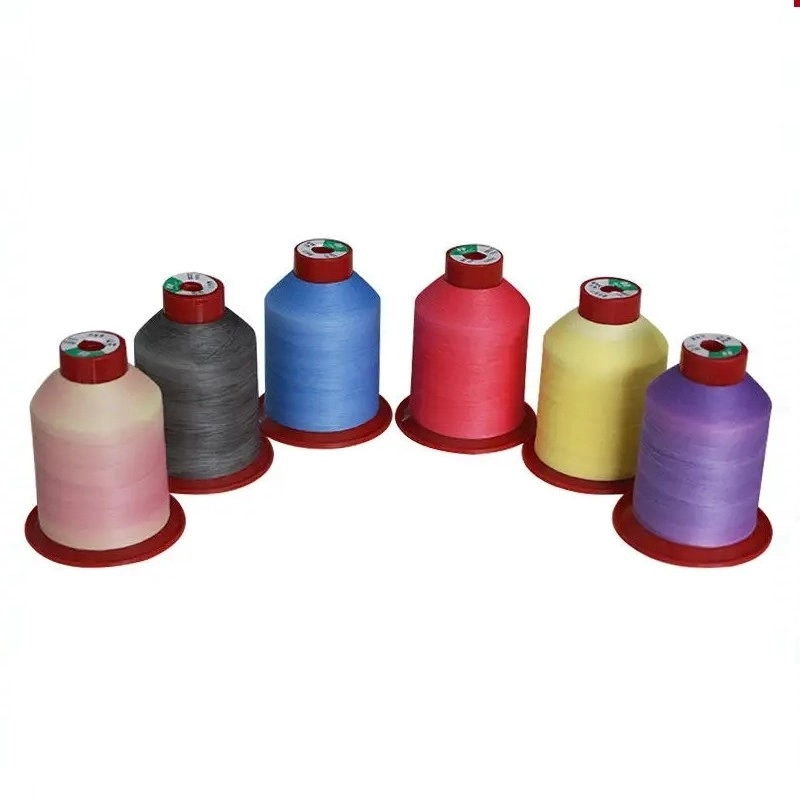
What is thermochromic yarn?
Thermochromic yarn is a type of yarn that changes color in response to temperature. At room temperature, the yarn displays one color. When the temperature reaches a certain threshold, the color changes significantly, and then returns to its original color when the temperature returns to its original range.
Applications of Thermochromic Yarn
Heat sensitive yarn has a wide range of applications, including:
- Apparel and Fashion Design: It can be used in T-shirts, hats, scarves, and other items, allowing them to display different colors as the temperature changes, adding interest and personalization.
- Smart Home and Decoration: It can be used in textiles such as curtains, pillows, and carpets, creating unique visual effects through temperature changes.
- Safety Warnings and Functional Products: In outdoor clothing or sports equipment, color changes when the temperature is too high or too low can alert users to temperature fluctuations and enhance safety.
- Gifts and Creative Toys: Thermochromic yarns can be used in DIY crafts, toys, or souvenirs, making products more interactive and engaging.
How Thermochromic Yarns Work
The color change of temperature changing yarn is primarily driven by thermosensitive dyes. Thermosensitive dyes are a class of materials that change their molecular structure at specific temperatures. When their molecular structure changes, they absorb and reflect light in different ways, resulting in different colors.
Simply put, temperature is the key factor that triggers the change in thermochromic yarns. Under different temperature ranges, the yarn can display different colors, creating a dynamic visual effect on the product.
Limitations of Thermochromic Yarns
While thermochromic yarns are very creative and interesting, they also have some limitations:
- Limited durability: Frequent washing, friction, or high-temperature exposure may cause the thermochromic dyes to lose their color, diminishing the color change effect. Temperature Range
- Limitations: Thermochromic yarns typically change color only within a specific temperature range and may not produce the desired effect outside of this range.
- High Cost: Compared to conventional yarns, thermochromic yarns are more expensive to produce, resulting in a relatively high price for the finished product.
- Limited Environments: High humidity and high UV exposure may affect the color stability and longevity of the yarn.
Summary
Thermochromic yarns, with their unique temperature-sensing properties, bring creativity and fun to clothing, home furnishings, gifts, and other fields. However, understanding their limitations and selecting appropriate applications is crucial for achieving their full potential.
If you’re looking for a yarn material that can add interactivity and innovation to your product, thermochromic yarns are undoubtedly a worthwhile option.