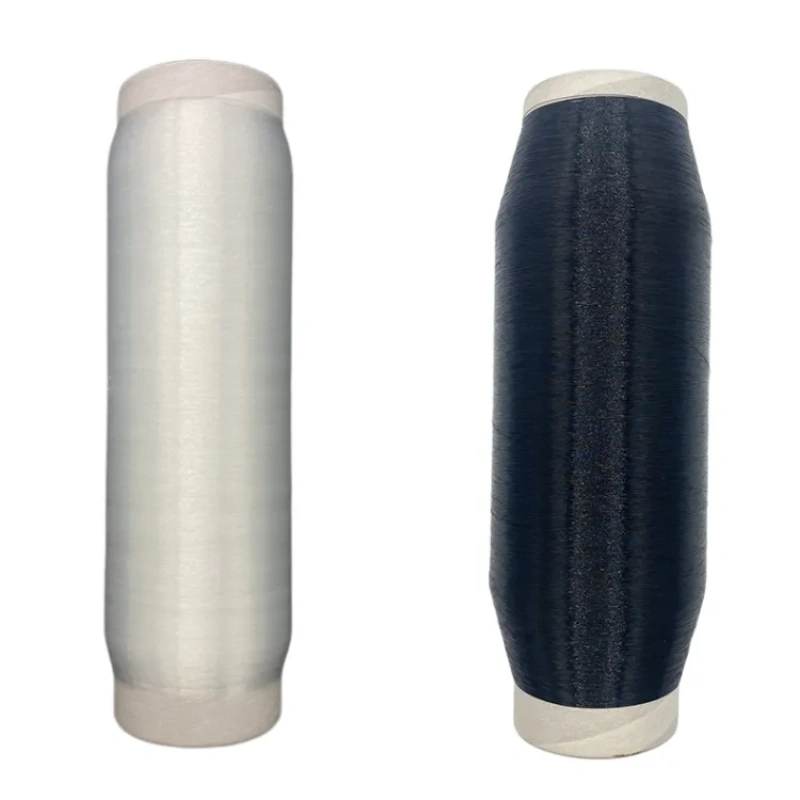
Complete Guide to Selecting High-Quality Reflective Yarn
Release time: 2025-11-26
With the increasing demand for nighttime safety, reflective yarns have become an essential material in many industries. From outdoor sports apparel to traffic safety equipment, reflective yarns are used widely. When choosing high-quality reflective yarns, it’s important to consider not only the basic reflective performance but also various other factors like durability, material, and reflection strength. This guide provides a detailed overview to help you select the best reflective yarn that meets your needs.
Table of Contents
1. Understand the Basic Composition of Reflective Yarns
Reflective yarns are typically made up of two components: the yarn itself and the reflective material. Reflective materials are commonly made of glass microbeads or micro-reflective particles, which reflect light to enhance visibility. Therefore, when selecting reflective yarn, it is important to understand both the quality of the yarn material and the reflective particles. High-quality reflective yarns not only provide excellent reflection but also ensure long-lasting durability.
Key Components of Reflective Yarns:
- Reflective Material Type: Includes glass microbeads, laser-cut reflective films, and high-performance reflective particles.
- Yarn Strength and Toughness: The material should have sufficient strength and toughness to ensure abrasion resistance and long service life.
- Surface Treatment: High-quality reflective yarns often undergo special coatings to enhance water resistance, abrasion resistance, and UV protection.
Diameter and Denier of Reflective Yarns:
Reflective yarns come in a wide range of diameters:
- Standard sizes: 0.15mm, 0.2mm, 0.25mm, 0.3mm, 0.5mm, 1mm, 3mm, 5mm,10mm.
- Denier (D) measures thickness: common counts include 30d/2, 75d/2, 150d/2, 210D/2, and 300d/2.
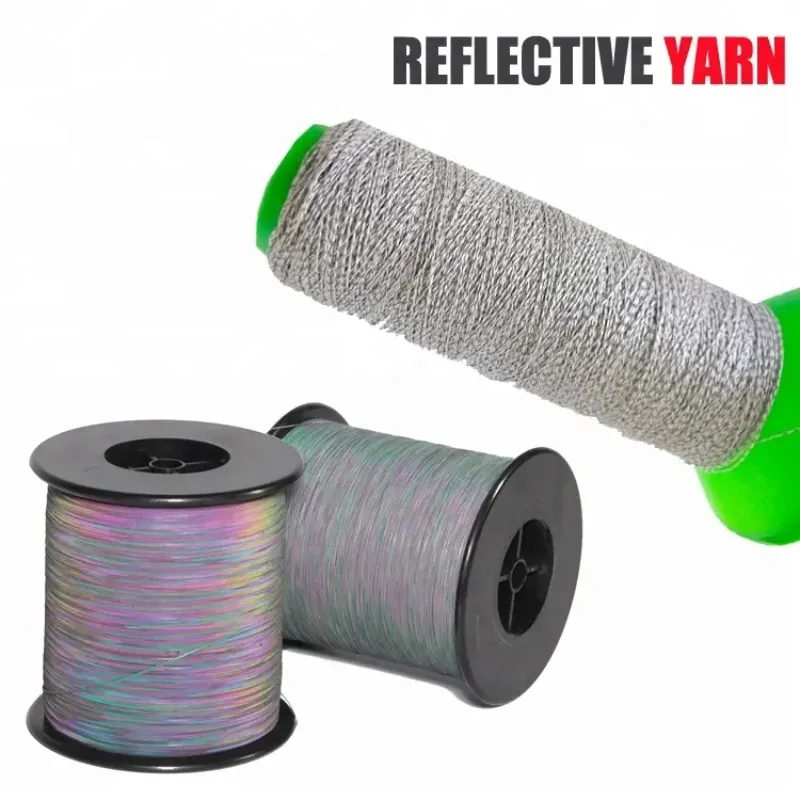
2. Reflection Strength of Reflective Yarns
The core function of reflective yarn is to increase visibility in low light or nighttime. Therefore, the strength of the reflection is one of the most critical factors to consider when purchasing.
Selection Criteria:
- Reflective Brightness: The brightness of the reflective yarn should meet international standards. Typically, the higher the brightness, the better the safety it provides.
- Reflection Angle: High-quality reflective yarn should offer consistent reflection across multiple angles, ensuring that light from different directions is effectively reflected.
- Reflection Durability: A key factor in evaluating reflective yarn is its performance after repeated washing. Premium reflective yarn should possess strong wash resistance and aging resistance to maintain its reflective properties over time.
3. Material and Durability
In addition to reflective performance, the material durability of reflective yarn is crucial. Reflective yarns are often exposed to high friction and frequent washing, so they must maintain their reflective properties and durability over time.
Selection Criteria:
- Water Resistance: Ensure the yarn does not shed, fade, or lose its reflective ability in wet environments.
- Heat Resistance: For applications in high-temperature environments (such as safety uniforms or firefighting gear), the yarn’s heat resistance is vital.
- Abrasion Resistance: Reflective yarns used in high-friction environments (like sportswear, shoes, etc.) need to be abrasion-resistant to maintain the reflective effect.
4. Color and Visibility
The color of reflective yarn also plays an important role in visibility. The color of the yarn should contrast enough with the surrounding environment to ensure that light is reflected back into the sightlines of drivers or pedestrians.
Selection Criteria:
- Bright Colors: Bright colors like yellow, orange, and red provide higher daytime visibility.
- Reflection Performance: The reflective yarn should offer excellent reflection not only at night but also provide clear visibility in daylight.
5. Environmental and Safety Certifications
With stricter environmental regulations and rising demand for eco-friendly products, the environmental impact of reflective yarn has become an important factor in the selection process. High-quality reflective yarns should comply with safety standards and possess environmental certifications to ensure they are harmless to users.
Selection Criteria:
- Eco-friendly Materials: Ensure that the reflective yarn uses materials that comply with environmental standards and avoid harmful chemicals.
- Safety Certifications: Reflective yarns should meet safety standards such as: EN ISO 20471 (high-visibility clothing), ANSI/ISEA107-2010 (American safety apparel), OEKO-tex Standard 100 and ISO9001 for eco-friendliness and manufacturing quality, etc. to ensure safety and effectiveness.
6. Supplier and Brand Selection
Choosing a reputable supplier is key to ensuring the quality of reflective yarns. A supplier with experience can provide detailed product specifications and offer customized solutions based on your needs.
Selection Criteria:
- Brand Reputation: Choose brands with a good market reputation, as they generally offer better quality and reliability.
- Technical Support and After-Sales Service: Premium suppliers offer comprehensive technical support and after-sales service to ensure smooth product use.
- Customization Services: For customers with specific needs, choose suppliers that provide customized solutions to meet those unique requirements.
7. Cost-Effectiveness and Bulk Purchasing
When selecting reflective yarn, cost-effectiveness is another important consideration. While high-quality reflective yarns may have a higher upfront cost, their durability and safety bring long-term value.
Selection Criteria:
- Reasonable Pricing: Choose reflective yarns that are priced reasonably yet offer excellent performance based on your budget and requirements.
- Bulk Purchase Discounts: For larger quantities, bulk purchases typically come with discounts and preferential supply services.
Conclusion
Choosing high-quality reflective yarn is not just about considering the price and appearance, but also about comprehensively evaluating its reflective performance, durability, material safety, and the supplier’s service quality. By understanding these key factors, you can ensure that the product you choose not only improves visibility but also maintains effective performance and durability over time. Whether you are purchasing for safety equipment, outdoor apparel, or other industrial applications, selecting the right reflective yarn will add significant value and safety to your products.
For more information or inquiries, feel free to contact Higreater. Let us help you enhance safety with our reflective yarn solutions!
.webp)