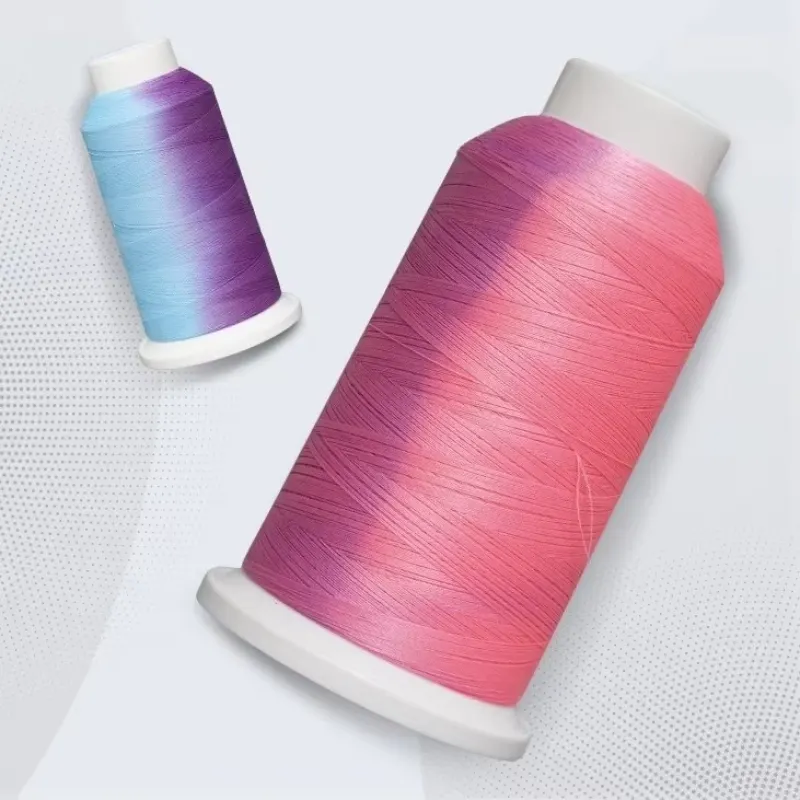
All You Need to Know About Hot Melt Yarn
Release time: 2025-07-16
Hot melt yarn is a high-performance, widely used functional fiber material found in various industries such as clothing, home goods, automotive, and medical sectors. Its unique high melting point and adhesive properties make it highly efficient and environmentally friendly in the production process, making it a preferred raw material for many manufacturers.
Table of Contents
1. Basic Concept of Hot Melt Yarn
Hot melt yarn is a fiber material that can melt and bond at high temperatures. It is primarily made from thermoplastic polymers and softens at a certain temperature, allowing it to bond with other materials. Different types of hot melt yarn use various polymer bases, giving them unique characteristics to meet the needs of different applications.

2. Main Types of Hot Melt Yarn
Nylon Hot Melt Yarn
Nylon hot melt yarn is made from nylon (polyamide) and offers high melting points, wear resistance, and excellent strength. Its strong adhesive properties make it ideal for applications requiring high-strength bonding. In industries such as apparel, footwear, and home goods, nylon hot melt yarn is commonly used for stitching, joining, and decorative processes, especially in high-temperature environments where durability is essential.
Advantages:
- High Strength: Nylon hot melt yarn has high tensile strength, making it suitable for bearing significant mechanical loads.
- Strong Wear Resistance: It is well-suited for environments subject to frequent friction.
- Strong Adhesive Properties: Provides a firm bonding effect.
Polyester Hot Melt Yarn
Polyester hot melt yarn is made from polyester (polyethylene terephthalate) and is known for its excellent chemical stability and resistance to aging. Polyester hot melt yarn has a relatively low melting point, making it suitable for low-temperature processing. It is widely used in the textile industry for fabric bonding, repairs, and reinforcement.
Advantages:
- Low Melting Point: Compared to other hot melt yarns, polyester has a lower melting point, making it ideal for low-temperature applications.
- Excellent Chemical Stability: It has good resistance to most chemical solvents.
- Cost-Effective: Offers high performance at a relatively low cost, making it suitable for large-scale production.
TPU Hot Melt Yarn
Thermoplastic polyurethane (TPU) hot melt yarn is highly elastic, oil-resistant, and resistant to low temperatures. Its elasticity and flexibility make TPU hot melt yarn ideal for applications requiring high resilience or durability, particularly in sportswear, medical supplies, and footwear.
Advantages:
- High Elasticity: TPU hot melt yarn’s elasticity makes it suitable for sports shoes, activewear, and other applications requiring stretchability.
- Oil and Hydrolysis Resistance: It performs well in harsh environments.
- Environmental Friendliness: TPU is an eco-friendly material that does not contain harmful substances.
3. Applications of Hot Melt Yarn
Due to its unique properties, hot melt yarn is used in a variety of industries:
- Textile Industry: Hot melt yarn is used for fabric bonding, repair, and reinforcement, improving the stability and durability of fabrics.
- Footwear Industry: It is widely used for bonding and repairing shoe soles and uppers, ensuring the quality and comfort of shoes.
- Home Goods: Hot melt yarn is used to enhance the tear resistance and durability of products like bed sheets, curtains, and upholstery.
- Medical Sector: Hot melt yarn is used in medical fabrics, such as surgical gowns and bandages, providing necessary adhesion and durability.
- Automotive Industry: It is used for bonding and securing automotive interior components such as seats and carpets.
4. Advantages of Hot Melt Yarn
- Environmental Friendliness: Hot melt yarn is a green and eco-friendly material that does not release harmful gases during use.
- Efficiency: Hot melt yarn can melt quickly and bond effectively at both high and low temperatures, improving production efficiency.
- Cost-Effectiveness: The cost of hot melt yarn, particularly polyester hot melt yarn, is relatively low, making it suitable for mass production.
- Versatility: Hot melt yarn can be made from different polymers, offering various performance characteristics to meet the needs of different industries.
5. Conclusion
With the continuous advancement of manufacturing technology, the application range of hot melt yarn is expanding. Specifically, nylon hot melt yarn, polyester hot melt yarn, and TPU hot melt yarn each have unique advantages and applications. Whether in the apparel, home goods, automotive, or medical fields, hot melt yarn provides an environmentally friendly, cost-effective, and efficient solution. Choosing the right type of hot melt yarn can help improve production efficiency and product quality.
We hope this article provides valuable insights for your purchasing decisions. If you have any questions regarding hot melt yarn or require further technical support, feel free to contact higreater. We are committed to offering high-quality products and services.